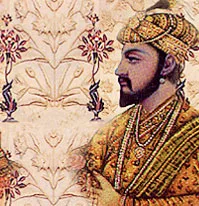
Shah Jahan
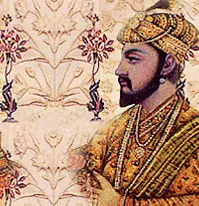
(b. Jan 5, 1592 - d. Jan 22, 1666)
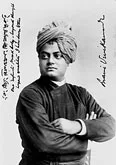
Swami Vivekananda on Shah Jahan, (who had the Taj Mahal built) " Ah! he was the glory of his line ! A feeling for, and discrimination of beauty that are unparalled in history. And an artist himself! I have seen a manuscript illuminated by him, which is one of the art-treasures of India . What a genius!"
(Notes of some wanderings with the Swami Vivekananda by Sister Nivedita)
Shahbuddin Mohammed Shah Jahan (also spelled Shah Jehan, Shahjehan. Persian: شاه جهان), January 5, 1592 – January 22, 1666) was the ruler of the Mughal Empire in the Indian Subcontinent from 1628 until 1658. The name Shah Jahan comes from Persian شاه جهان meaning "Lord of the World". He was the fifth Mughal ruler after Babur, Humayun, Akbar and Jahangir.
After revolting against his father Jahangir, as the latter had revolted against Akbar, he succeeded to the throne on his father's death in 1627. It was during his reign that the Mughal power attained its greatest prosperity. The chief events of his reign were the destruction of the kingdom of Ahmadnagar (1636), the loss of Kandahar to the Persians (1653), and a second war against the Deccan princes (1655). In 1658 he felt ill, and was confined by his son Aurangzeb in the citadel of Agra until his death in 1666. The period of his reign was the golden age of Indian architecture. Shah Jahan erected many splendid monuments, the most famous of which is the Taj Mahal at Agra, built as a tomb for his wife Mumtaz Mahal; while the Pearl Mosque at Agra and the palace and great mosque at Delhi also commemorate him. The celebrated " Peacock Throne," said to have been worth millions of dollars by modern estimates, also dates from his reign. He was the founder of the modern city of Delhi, the native name of which is Shahjahanabad.
InstanceEndEditable
InstanceBeginEditable name="Author Credit Bottom"
- www.vivekananda.net edited by Frank Parlato Jr.
InstanceEndEditable