
Swami Vivekananda

Prose: The Problem of Modern India and its Solution
(The above is a translation of the Bengali article written by Swami Vivekananda as an introduction to the Udbodhana , when it was started on the 14th of January, 1899, as the Bengali fortnightly (afterwards monthly) journal of the Ramakrishna Order.)
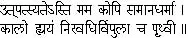
Prose: The Education that India Needs
(Written to Shrimati Saralâ Ghosal, B.A., Editor, Bhârati, from Darjeeling, 24th April, 1897. Translated from Bengali.)
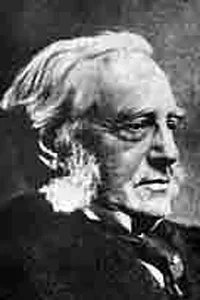
Prose: On Professor Max Muller
Though the ideal of work of our Brahmavâdin should always be "
Prose: On Dr. Paul Deussen
More than a decade has passed since a young German student, one of eight children of a not very well-to-do clergyman, heard on a certain day Professor Lassen lecturing on a language and literature new — very new even at that time — to European scholars, namely, Sanskrit. The lectures were of c
Prose: Is the soul immortal?
"None has power to destroy the unchangeable." — Bhagavad-Gitâ.
Prose: Reincarnation
The February issue of the Metaphysical Magazine published an announcement of the Swami's article.
Prose: The Ether
This article first appeared anonymously in the February 1895 issue of the New York Medical Times, a prestigious monthly medical journal founded and edited by Dr. Egbert Guernsey.

Jnana Yoga
The book is based on a series of lectures on the topic delivered mainly in New York and London by Swami Vivekananda. These lectures were recorded and transcribed for the most part by the Swami's disciple J.J. Goodwin and later edited. The book, which is still in print, is also included in the Compl
S. Ellen Waldo's description of how the Swami dictated the book
Miss S. Ellen Waldo of Brooklyn , a disciple of the Swami, was his amanuensis. She described the manner in which he dictated Raja Yoga :
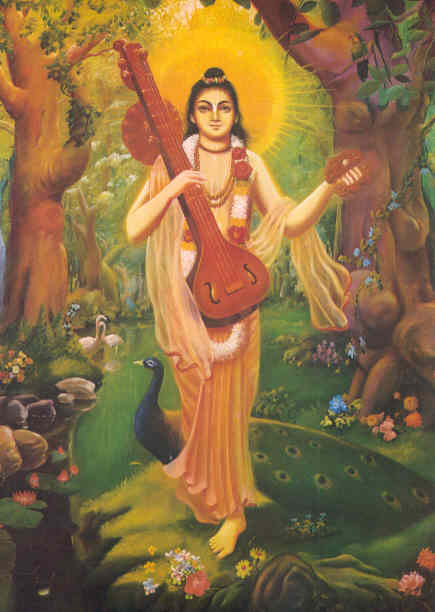
NARADA BHAKTI SUTRAS - Translated by Swami Vivekananda...
The Bhakti Sutras is a classic work of Hinduism, and consists of connected aphorisms (or sutras) on Bhakti - and purportedly composed in Sanskrit by Narada Muni, an ancient, and, perhaps, mythological sage.

I. INTRODUCTION
II. CUSTOMS: EASTERN AND WESTERN III. FOOD AND COOKING IV. CIVILISATION IN DRESS V. ETIQUETTE AND MANNERS VI. FRANCE — PARIS VII. PROGRESS OF CIVILISATION
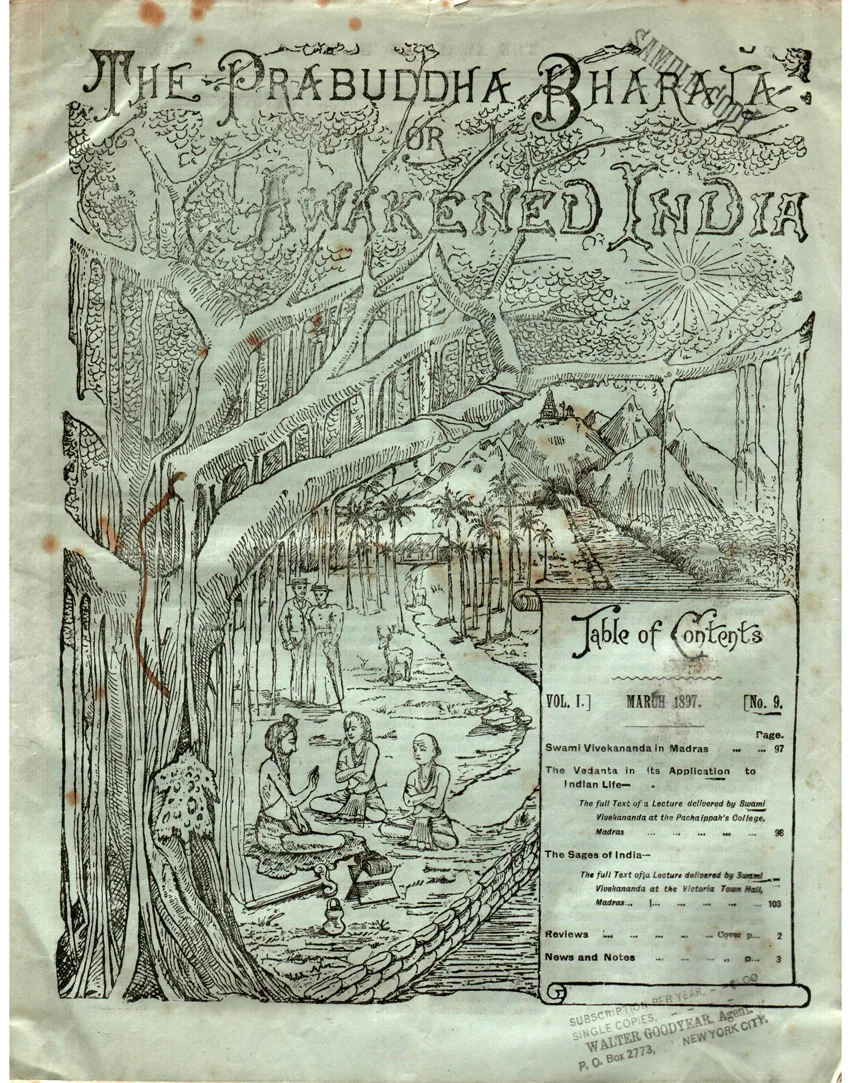
Not New but long forgotten
This section contains some old findings that have more or less been unpublished and unseen, as far as we know, for a good number of years